
Cavoriqena Logo

Cavoriqena

Est. 2019

We Started Because Numbers Shouldn't Be Mysterious

Back in 2019, three financial analysts sat in a Sydney café complaining about how no one understood what they actually did. "GDP? Inflation? People's eyes glaze over," Fiona Caldwell said. That conversation turned into Cavoriqena.

We're not here to make you an economist. We're here so you can read the business section without feeling lost, understand what the Reserve Bank actually means when they make announcements, and maybe even have opinions about it.

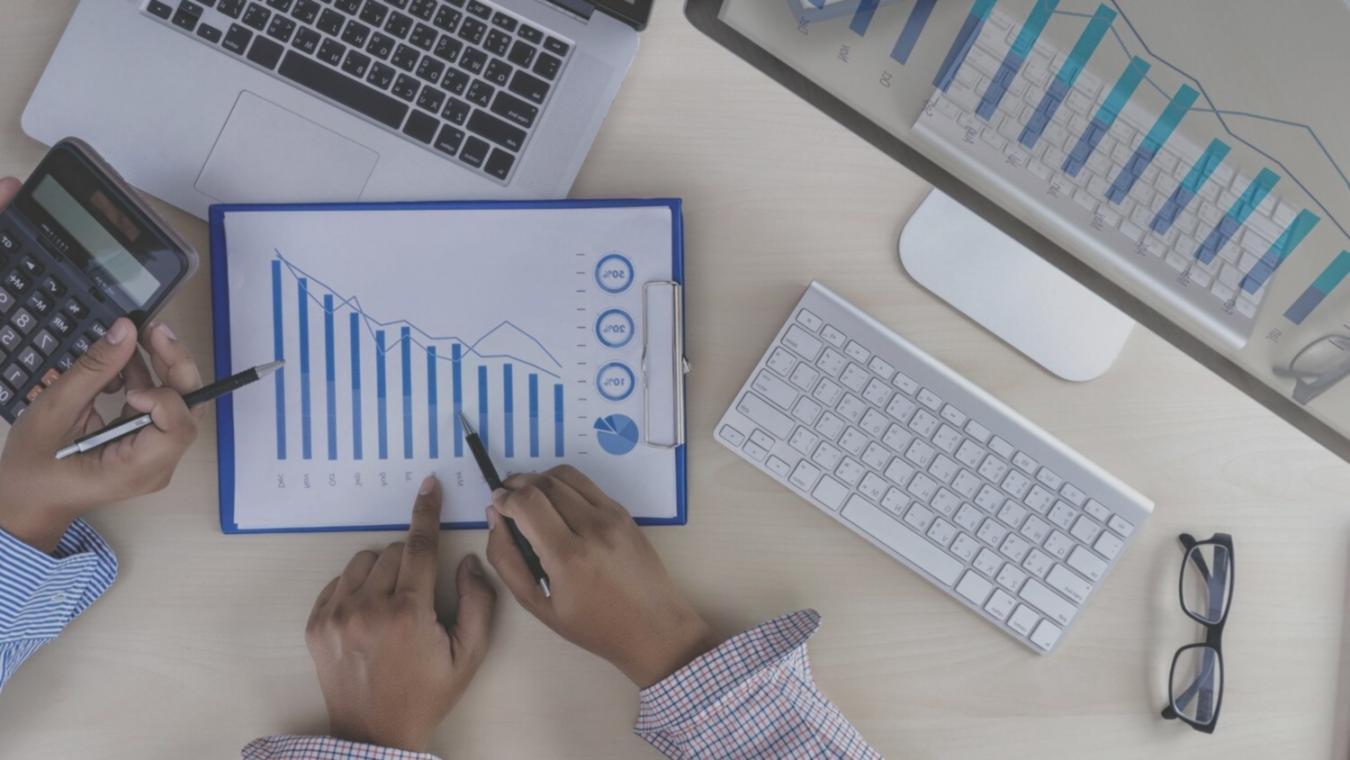
Team analyzing economic trends on multiple screens

From Frustrated Professionals to Patient Teachers

Five years of testing, failing, and figuring out what actually works when you're teaching people about the economy.

Workshop participants engaging with economic data visualization
2019-2020

The First Twelve Workshops Were Terrible

We tried teaching economic indicators like we learned them in university. Graphs, formulas, technical definitions. People nodded politely and never came back. Then Marcus Thorne suggested we start with grocery prices instead of CPI calculations. Everything changed after that.

Students discussing real-world economic scenarios in group setting
2022-2024

Building Something That Actually Makes Sense

We spent two years rebuilding our approach from scratch. Instead of "here's what GDP means," we started with "why did your groceries get more expensive?" The indicators became tools for understanding real life, not abstract concepts to memorize. Now people actually finish the programs.

What We Stand For

Economic Literacy Shouldn't Require a Finance Degree

These aren't corporate values we workshopped in a meeting. They're the practical beliefs that shape how we teach and what we refuse to compromise on.

Plain Language Always

If we can't explain it without jargon, we don't understand it well enough. Economic concepts aren't complicated—the language people use to describe them is.

Real Examples Only

We use actual Australian data from last month, not textbook scenarios from 1987. You learn with the same numbers you see in the news, so it connects immediately.

Questions Welcome

No such thing as a dumb question here. We've had finance professionals admit they didn't really understand terms they'd been using for years. Ask away.

See How We Teach Economic Indicators

View Our Program